
How Do I Create a Handwritten Note Process That Still Feels Personal at Scale?
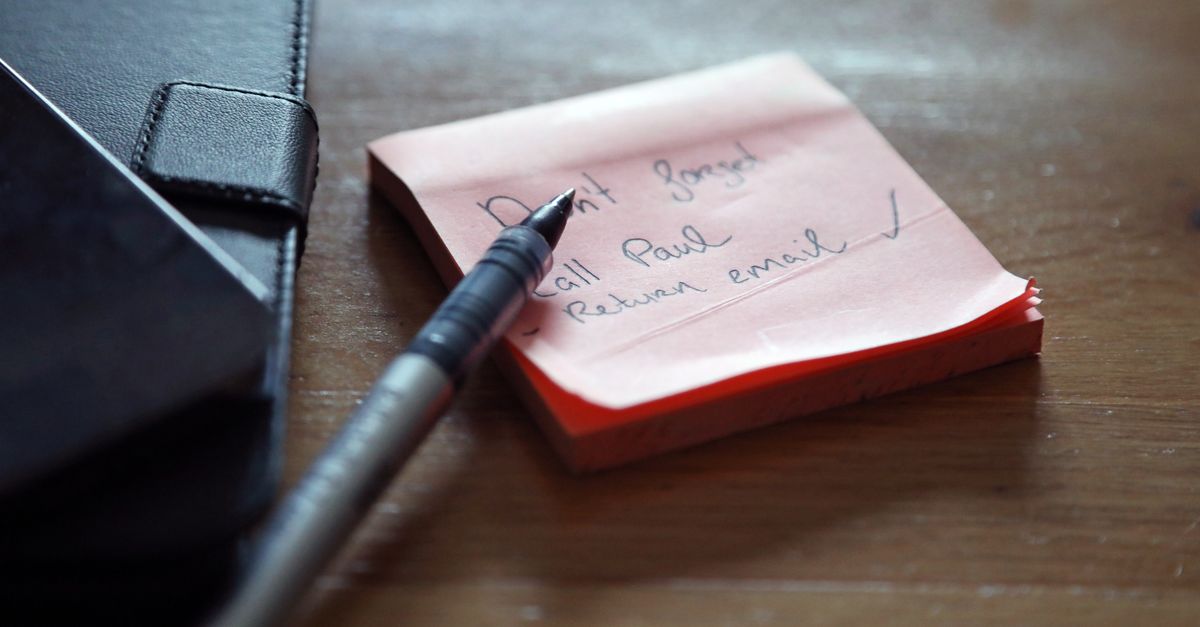
Build a simple, repeatable handwritten note workflow
A handwritten note process stays personal at scale when the workflow is simple enough to repeat without thinking. That is the whole game.
The cleanest version looks like this: collect a typed gift message, limit the length, route gift orders into one gift queue, assign note-writing ownership, and use the same card, pen, and check step every time. That keeps the note human without turning every gift order into a custom project.
Small changes do most of the work here. A 180-character limit is easier to handwrite than a blank field. A dedicated gift queue is easier to trust than scattered order notes. One black fine-tip pen is easier to manage than six different markers rolling around the packing bench.
If you want a cleaner way to collect gift messages and see every order that needs a handwritten card in one place, GiftBow fits neatly into OpoShop stores that need gift-ready fulfilment without extra admin.
What is a handwritten note process for ecommerce gift orders?
A handwritten note process is the set of steps your store uses to collect a shopper's message, attach it to the right order, handwrite it on a card, and pack it with the gift correctly. It is not just the writing part.
For an online store, the process starts on the product page or at checkout. A shopper marks the order as a gift, adds gift wrap if you offer it, and types a short message. That message then needs to show up clearly for the person packing the order, not buried in a messy order note field.
In a typical OpoShop store, the handwritten note process should answer five plain questions:
- Which orders qualify: Not every order needs a card.
- Where the message is collected: A structured gift message field beats free-text notes.
- Who writes the card: One owner avoids confusion.
- What supplies are used: Same cards and pens create a tidy, consistent look.
- How the order is checked: Someone confirms the right message went into the right parcel.
That last part matters more than people expect. A beautiful card in the wrong box is worse than no card at all.
Why does a handwritten note process matter?
A handwritten note process matters because gift orders rise fast and mistakes rise even faster if the team is improvising. The emotional value is high, so the margin for error feels small.
For apparel, jewellery, candles, home goods, stationery, and handmade brands, gift spikes usually come in waves. December is obvious, but birthdays, Mother's Day, Father's Day, wedding season, graduation season, and last-minute anniversary orders can create the same pressure in smaller bursts. One quiet Tuesday can turn into 37 gift orders by 2 p.m.
Without a clear system, the same problems keep showing up:
- Messages get missed: The customer typed the note, but nobody saw it.
- Messages get cut off: A long paragraph does not fit the card.
- Cards get mixed up: Similar orders sit side by side on the table.
- Packers stop trusting the process: Then they start creating workarounds.
- Gift wrap becomes stressful: A paid add-on should not feel like a penalty.
A good workflow protects the unboxing moment and protects your team. That is why stores on OpoShop usually do better with a gift setup that is structured from the start, not patched together after orders come in.
How do you create a handwritten note process that still feels personal at scale?
You create a personal handwritten note process by deciding the rules early and keeping the writing step small enough to repeat all day. Personal does not mean unlimited.
That five-step setup is enough for most small and mid-size stores. You do not need a giant operations manual. You need a process the team can follow on a busy Friday afternoon.
1. Decide what counts as a gift order
Gift orders should be defined by rules, not guesswork. Start with giftable products, supported shipping windows, and whether the order includes paid gift wrap, a free note, or both.
A candle brand might allow gift notes on boxed candles and sets, but not on clearance items shipping from overflow stock. A jewellery brand might offer notes on full-price pieces and wedding gifts, but stop offering them on same-day dispatch orders after December 18.
That sounds strict. It is actually kinder to the customer. Clear rules beat silent failures.
2. Set a character limit that fits the card
The easiest way to keep notes personal is to make them short enough to handwrite neatly. Most stores do well with 150 to 220 characters, which is usually 20 to 35 words.
Here is the difference between a field that works and one that creates trouble:
Weak: "Add your message here" Stronger: "Add a short gift message, up to 180 characters. We will handwrite it on your card."
The stronger version tells the shopper what to do, how long the message can be, and what will happen next. Fewer surprises. Fewer impossible-to-fit messages.
3. Choose supplies once, not every week
Your note process gets easier the moment you stop re-deciding the materials. Pick one folded card or one flat gift tag, one black or dark blue pen, and one handwriting style rule. For most brands, neat print is better than decorative script because more team members can match it.
A simple supply setup might look like this:
- Card size: 3 x 5 inches, enough for a short note.
- Pen type: Fine-tip black pen that dries quickly.
- Card stock: Thick matte card that does not smudge.
- Placement: Card tucked under ribbon, inside box lid, or on top of tissue.
You are not trying to turn every team member into a calligrapher. You are trying to make the finished order feel thoughtful and consistent.
4. Batch the work without making it robotic
Batching handwritten notes is the fastest way to keep fulfilment moving. Write 10 to 20 cards at a time, then move to wrapping, then do the final packing check.
Some merchants worry batching will make the notes feel less personal. It does not. The customer only sees one card in one box. The customer does not care whether you wrote six cards before theirs. The customer cares that the message is accurate, legible, and included.
5. Add one final accuracy check
The final check should confirm three things: right order, right message, right parcel. That can be a second person during peak season or the same packer reading the card against the order before sealing the box.
For many OpoShop merchants, this is where a dedicated gift queue pays off. The team can see every gift order that needs wrapping and the exact message to copy by hand, instead of scanning scattered notes and hoping nothing gets missed.
If your store gets a lot of gift orders around holidays or wedding season, it helps to capture gift intent before fulfilment gets messy. A gift toggle placed next to the buy button gives the team a clean signal early, and that is much easier to work with later.
Best ways to handle handwritten notes at higher order volume
The best way to handle handwritten notes at higher order volume is to choose the version of the process your team can actually sustain for 20, 50, or 100 gift orders in a day. Fancy systems are not the point. Reliable systems are.
The biggest decisions usually come down to ownership, timing, and how the message is collected. Here is the practical comparison.
| Workflow choice | Option 1 | Option 2 | Best fit |
|---|---|---|---|
| Note ownership | One person owns all notes | Shared across packing team | One owner works best up to about 30 gift orders a day. Shared ownership works better above that if handwriting rules are clear. |
| Writing timing | Write each note as orders arrive | Batch notes in groups | Batching is usually faster and calmer, especially during holiday spikes and wedding weekends. |
| Message collection | Free-text order notes | Structured gift-message field | Structured message collection is easier to read, easier to limit, and easier to pack accurately. |
One-person ownership works well for a small brand shipping 8 to 15 gift orders a day. Shared ownership is better once the queue gets long, but only if every packer uses the same supplies and the same check step. Otherwise the brand experience starts to drift.
Writing notes as orders arrive feels responsive, but it breaks flow. The team keeps stopping and starting. Batching usually wins because it reduces switching between handwriting, wrapping, and packing.
And the clearest winner is structured message collection. If you sell on OpoShop, collecting gift messages through a dedicated gift flow is much safer than asking customers to squeeze them into general order notes.
Common mistakes that make handwritten notes feel impersonal or unmanageable
Handwritten notes start feeling impersonal when the process is messy, rushed, or too open-ended. Most stores do not have a handwriting problem. They have a workflow problem.
The first common mistake is allowing unlimited message length. A customer writes 620 characters. The team tries to shrink it onto a tiny card. The handwriting gets cramped, words are dropped, and nobody feels good about the result.
The second mistake is using whatever supplies are nearby. One order gets a cream folded card and navy pen. The next gets a kraft tag and thick silver marker. That does not read as charming. It reads as unplanned.
Other mistakes show up fast during peak periods:
- Unclear ownership: Everyone assumes someone else wrote the card.
- Missing cutoff rules: The store still offers notes on orders placed too late to handle properly.
- Free-text order notes: Gift messages get mixed with shipping instructions.
- Too many exceptions: Non-giftable products quietly become giftable because a customer asked.
- No training for packers: New staff do not know where the card goes or how to check it.
One more mistake is offering handwritten notes on every product and every timeline. You do not need to say yes to everything. A handmade stationery shop may handle handwritten notes on boxed sets but not on made-to-order wedding suites with a five-day production queue. A home goods brand may cut off gift notes for oversized ceramic lamps because the fulfilment flow is different.
If you want a cleaner way to keep messages accurate across many orders, use a setup that separates gift orders from standard orders and shows the exact note text where the packing team already works.
What we recommend for small and mid-size online stores
We recommend building the handwritten note process around structure at the storefront and simplicity at the packing table. That combination holds up best for growing stores.
For most apparel, jewellery, candle, home goods, stationery, and handmade brands, the best setup is a "This is a gift" toggle next to the buy button, a paid gift wrap option, a free gift message field with a firm character limit, and a dedicated gift queue in admin. That gives the shopper a clear path and gives the fulfilment team one place to work from.
For stores on OpoShop, that approach is a lot easier to run than relying on general checkout notes. The team can see which products are giftable, what the wrap price is, whether a card is needed, and the exact message to handwrite. No digging. No guessing. No sticky notes on the monitor.
A simple operating setup often looks like this:
- Gift intent captured early: The shopper chooses the gift option before checkout gets crowded.
- Message length controlled: A 180-character cap keeps cards neat.
- Giftable products selected: Not every SKU needs the option turned on.
- One queue for gift orders: The team works from a dedicated list.
- Cutoff dates defined: Peak periods get rules before they get chaos.
This is also the most realistic path for a small team that wants to sell paid gift wrap and include a free handwritten message without hiring extra staff. The note still feels personal because a real person writes it. The process still works because the system removes the messy parts first.
Best answer: The cleanest handwritten note process is the one that captures gift intent before checkout confusion starts, limits the message to what fits one card, and gives the fulfilment team one clear queue showing exactly what to write. For most OpoShop stores, that is the simplest way to keep gift orders personal during holidays, birthdays, weddings, and every other spike that shows up fast.
If you want to see how GiftBow can help you collect gift messages, manage giftable products, and work every handwritten note from one gift queue, it is worth looking at how it fits into your OpoShop setup.
FAQs
Should customers type gift messages at checkout or in order notes?
Customers should type gift messages in a structured gift-message field, not order notes. A dedicated field is easier to limit, easier to read, and much less likely to get missed during fulfilment.
How long should a handwritten gift message be?
A handwritten gift message should usually stay between 150 and 220 characters. That length fits neatly on a small card and gives the team enough room to write clearly without shrinking the handwriting.
How do I reduce mistakes when handwriting notes for gift orders?
Reduce mistakes by using one queue for gift orders, one standard card setup, and one final check before sealing the parcel. The fewer places the message can hide, the fewer errors your team will make.
Can a small team offer handwritten notes during holiday rush periods?
Yes. A small team can offer handwritten notes during holiday rush periods if the store limits message length, batches note writing, and sets cutoff dates for late orders. The process breaks when every gift order becomes a custom exception.
Should every product be eligible for a handwritten gift note?
No. Only products that fit your fulfilment flow should be eligible for a handwritten gift note. It is better to offer the option on the right products and do it well than to offer it on every SKU and miss cards during busy periods.
What’s the best way to organize gift orders that need a handwritten card?
The best way to organize gift orders is to send them into a dedicated gift queue that shows the order, wrap status, and exact message together. That gives the packing team one place to work and keeps handwritten cards tied to the right parcels.
Ready to make handwritten gift notes easier to run in your OpoShop store?


