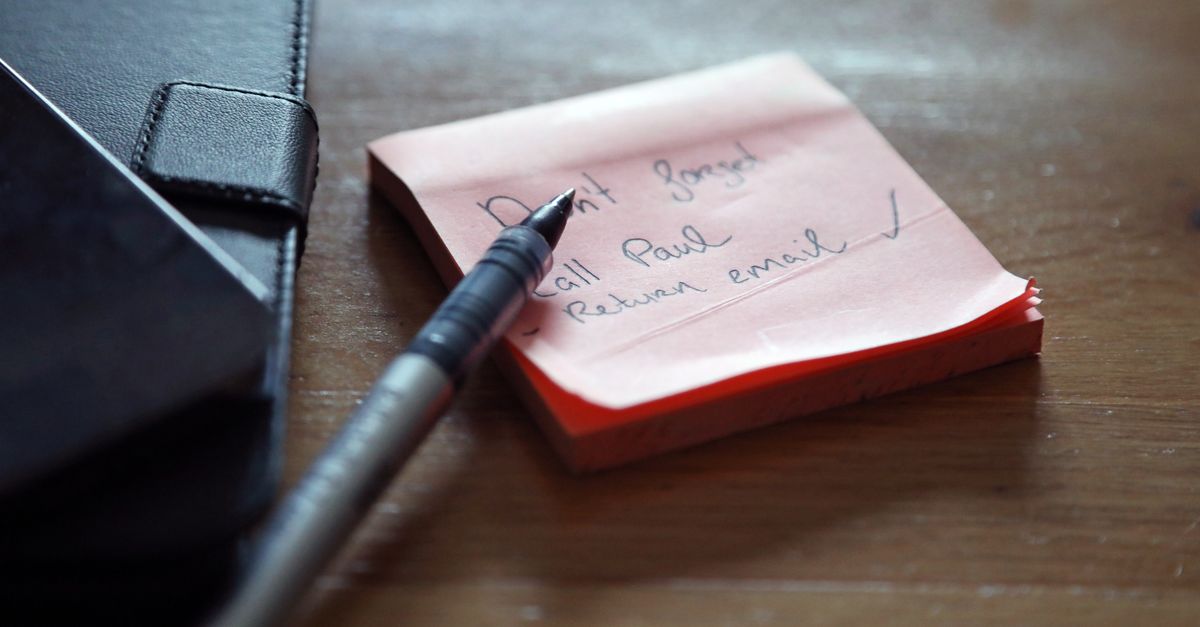
Why Do Some Customers Want a Handwritten Note Instead of a Printed Card?

Why some customers prefer handwritten notes
Shoppers usually choose handwritten notes because handwritten notes feel human.
A printed card can still work well. But if someone is sending a candle to a friend in Manchester, or a jewellery box straight to a sister in Bristol, a typed message on a generic insert can feel a little distant. A handwritten note feels closer to what that shopper would have written themselves.
That is the real difference. The shopper is not only buying a product. The shopper is trying to send a feeling.
For many OpoShop merchants, that small detail changes how gift-ready the whole store feels.
What is a handwritten gift note in ecommerce?
A handwritten gift note in ecommerce is a short message written by hand during packing, using the message the customer entered during the order. A printed card uses the same kind of message, but the store prints it instead of writing it by hand.
There are really three common formats in an online store:
| Format | What it is | How it feels to the recipient | Fulfilment effort |
|---|---|---|---|
| Handwritten note | Staff handwrites the customer's message on a card | Personal and intimate | Higher |
| Printed card | Staff prints the message or uses a pre-printed insert | Clean and consistent | Lower |
| No custom note | Generic brand insert only | Branded, but less personal | Lowest |
In a typical OpoShop store, the customer checks a gift option, adds a message, and the fulfilment team sees that message before packing. The difference is what happens next. The team either writes the message by hand or prints it.
A handwritten gift note works best when the note is short, legible, and easy to spot in the order flow. A printed card works best when order volume is high and consistency matters more than that hand-done feel.
Why does offering handwritten notes matter for online stores?
Offering handwritten notes matters because gift shoppers are judging more than the product page. Gift shoppers are judging whether the whole order feels safe to send to someone else.
If a shopper is sending a birthday candle, a wedding keepsake, or a piece of jewellery directly to the recipient, the message becomes part of the product experience. A handwritten note can make the package feel warmer and more intentional. A printed card can still feel polished, but it usually feels more like store packaging than a personal gift.
That difference can help in a few practical ways:
- It makes a store feel more gift-ready
- It supports trust for direct-to-recipient orders
- It can improve the unboxing moment
- It gives shoppers one more reason to complete the purchase
- It can support a paid gift wrap add-on in your OpoShop store
For handmade, stationery, home goods, and artisan brands, a handwritten note often fits the brand better too. If the product already feels made with care, a typed slip can feel slightly off. The note does not need to be fancy. It just needs to feel real.
And yes, there is extra work involved. But the honest answer is that the extra work is often small if the workflow is clean.
If you want a simple way to collect gift messages and keep gift orders visible during fulfilment in your OpoShop store, this is worth looking at.
How can store owners offer handwritten notes without making fulfillment messy?
Store owners can offer handwritten notes without making fulfilment messy by keeping the flow short, clear, and visible from the product page through packing. The mess usually starts when the message is collected in one place, wrapping is tracked somewhere else, and the packing team has to hunt for both.
A clean setup has four parts:
Not every product needs this option. That is one of the easiest ways to keep things under control. A candle gift set or necklace box probably deserves the gift toggle. A refill pack or low-cost accessory probably does not.
In a good OpoShop setup, only selected giftable products show the option, the message field has a clear limit, and the fulfilment team sees the exact note in one place. During the holiday rush, that matters a lot. Staff should not be checking order notes, checkout comments, and email replies just to find one card message.
Here is the difference between a weak setup and a stronger one:
Weak: "Add your gift message below." No limit. No hint about where the note appears. No signal to fulfilment that the order needs a handwritten card.
Stronger: "Gift message for the card (max 120 characters)." Clear purpose. Clear limit. Easy for the customer, easy for the packing team.
That small change prevents a lot of mistakes.
Handwritten note vs printed card: which works best for different stores and occasions?
Handwritten notes work best when the gift experience is personal and the order volume is manageable. Printed cards work best when the store needs speed, consistency, and easier handling at higher volume.
Here is the simple comparison:
| Situation | Handwritten note | Printed card |
|---|---|---|
| Jewellery, candles, stationery, handmade goods | Strong fit | Good fit |
| Direct-to-recipient gifts | Strong fit | Good fit |
| Holiday rush with lean staff | Good if workflow is tight | Strong fit |
| Weddings and meaningful occasions | Strong fit | Good fit |
| Everyday low-cost items | Optional | Usually enough |
| Large order volume | Harder to manage | Easier to manage |
| Brand with a hand-finished feel | Strong fit | Can feel less personal |
A lot of merchants assume they have to pick one forever. They do not.
Some OpoShop merchants use handwritten notes only for selected products or selected occasions. That is often the smartest middle ground. A store can offer handwritten notes for gift wrap orders on jewellery, home goods, or handmade products, then use printed cards for everything else.
If your brand has a more polished, uniform packaging style, printed cards may feel right. If your brand already leans warm, tactile, and hand-packed, handwriting usually feels more natural.
Common mistakes when offering handwritten gift messages
The biggest mistakes are usually not about the note itself. The biggest mistakes happen in the workflow around it.
Here are the ones we see most often:
- Collecting the message in an unclear field
- Letting customers write far too much
- Showing the option on every product by default
- Forgetting to flag the order for fulfilment
- Making staff check multiple places for the note
- Using cards that are too small for the allowed message length
The no-limit message field is a classic one. A customer writes a long paragraph. The packing team then has to shrink it, rewrite it, or leave part of it off the card. None of those outcomes feels good.
Another common miss is treating all products the same. Not every item in an OpoShop store needs gift wrap and a handwritten note. Limiting the feature to selected products keeps the process lighter and reduces fulfilment mistakes.
And this is the part a lot of merchants underestimate. If the handwritten note is not visible inside a simple gift queue, the team will miss notes during busy periods. Holiday fulfilment is fast. People need one clean place to look.
If you want the gift message, wrap status, and gift orders kept together instead of scattered across checkout notes, this is the next thing to sort out.
What we recommend for small and mid-size online stores
For small and mid-size online stores, the best setup is usually a simple gift toggle, a short message field, and handwritten notes only where the brand and product type justify the extra effort.
That keeps the customer experience strong without turning packing into chaos.
We would keep it this simple:
- Offer gift wrap only on selected giftable products
- Let shoppers add a short gift message
- Use handwritten notes for products where a personal touch fits the brand
- Keep the message visible in one fulfilment queue
- Use printed cards as a fallback during the busiest periods if needed
That last point matters. Handwritten notes are worth it when they support the brand experience and the team can handle them cleanly. If the team is drowning in December orders, a printed card is better than a missed message or a messy one.
For stores on OpoShop, the goal is not to build some huge gifting operation. The goal is to make gift orders easy to buy and easy to pack.
Best answer: Offer handwritten gift notes where they add real value, not everywhere by default. A short message field, selected giftable products, and one clear gift-order workflow give most OpoShop merchants the personal touch shoppers want without creating fulfilment headaches.
FAQs
Are handwritten gift notes better than printed cards for online orders?
Yes, handwritten gift notes usually feel more personal for online orders, especially when the package ships straight to the recipient. Printed cards are still a good option if your store needs faster, more consistent fulfilment.
Should I offer both handwritten notes and printed gift cards on my store?
Yes, offering both can work well if your order mix varies. Many stores use handwritten notes for more giftable products and printed cards for higher-volume periods or simpler orders.
How do I handle handwritten gift messages during the holiday rush?
Handle handwritten gift messages during the holiday rush by keeping the message short, limiting gift options to selected products, and making every gift order visible in one queue. Staff need one clear place to see the exact note and wrap request without checking multiple systems.
Do customers expect a handwritten note for or handmade products?
Customers often expect a more personal note for handmade products and gift-led items with a higher-touch feel. A handwritten card usually matches those products better than a generic printed insert.
What is the best way to collect gift messages from customers?
The best way to collect gift messages is with a clear gift toggle and one short message field tied to the order. In a OpoShop store, the fulfilment team should be able to see that message exactly as entered when packing begins.
How can I limit gift message length without hurting the customer experience?
Limit gift message length by telling shoppers the note will be handwritten and needs to fit neatly on a small card. A simple label like "Gift message for the card, max 120 characters" feels clear and reasonable.
A handwritten note wins when the shopper wants the gift to feel personal, not processed. For many stores on OpoShop, that means offering the option on the right products, keeping the message short, and making sure the fulfilment team can see every gift note in one place.
If you want a cleaner way to support gift wrap, collect messages, and keep handwritten notes organised inside your OpoShop workflow, start there.